ChatGPT Ads: What They Are and How They Work
ChatGPT started showing paid advertisements, marking a major shift for a product that had mainly offered free and paid subscription plans up to that point.
For advertisers, this creates another place to reach potential customers. The experience also differs from search results or social feeds. Here, ads appear alongside conversations inside ChatGPT.
1. When ChatGPT Ads Launched
ChatGPT began testing paid ads in the US on February 9, 2026. The initial test covered logged-in adult users on the Free and Go plans.
By May, OpenAI had introduced a beta self-serve Ads Manager, giving advertisers a simpler way to create and manage campaigns.
How ChatGPT Ads Expanded
| Date | What Happened |
|---|---|
| Jan 16, 2026 | OpenAI announced plans to begin testing ads in ChatGPT. |
| Feb 9, 2026 | ChatGPT ads testing officially started in the US. |
| Mar 26, 2026 | OpenAI announced plans to expand the ads test to Canada, Australia, and New Zealand. |
| May 5, 2026 | OpenAI introduced beta self-serve Ads Manager, CPC bidding, and expanded measurement tools. |
| May 7, 2026 | OpenAI announced plans to expand the ads test to the UK, Mexico, Brazil, Japan, and South Korea. |
OpenAI later expanded ChatGPT Ads to more countries, giving advertisers access to additional markets.
2. What ChatGPT Ads Are and What They Currently Look Like
ChatGPT Ads are paid placements that allow businesses to promote their products or services inside ChatGPT as sponsored content.
The current format can include the following elements:
| Element | Purpose |
|---|---|
| Advertiser name | Identifies the business behind the ad. |
| Logo or favicon | Helps users recognize the advertiser. |
| Headline | Introduces the advertised product or offer. |
| Description | Provides additional information about the offer. |
| Image | Visually presents the product or service. |
| Landing page | Gives users a page where they can explore the offer. |
A Simple Ad Example
The example below shows how these elements can appear together in a sponsored ad.
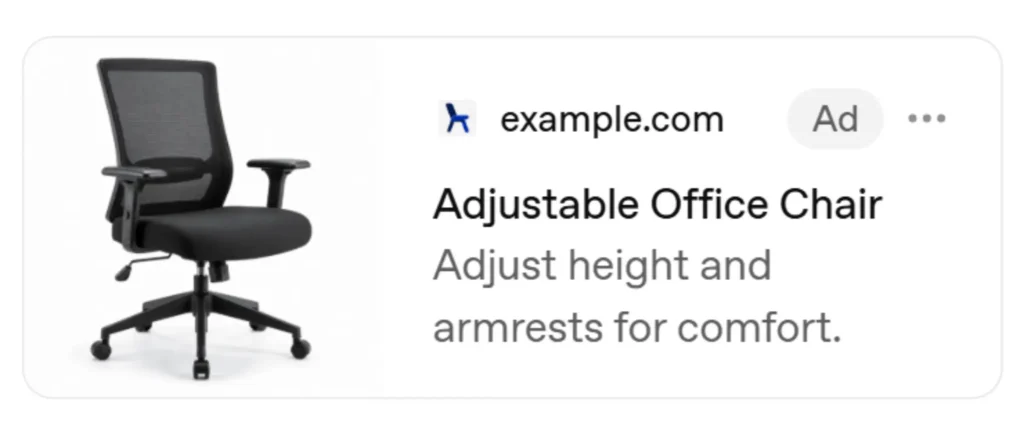
These ads appear below ChatGPT responses, allowing users to view the offer separately from the generated answer.
3. How ChatGPT Ads Work
The process can be broken into four simple steps:
3.1 Advertiser Creates a Campaign
Advertisers create a campaign for a product or service.
Campaign → Ad Group → Ad
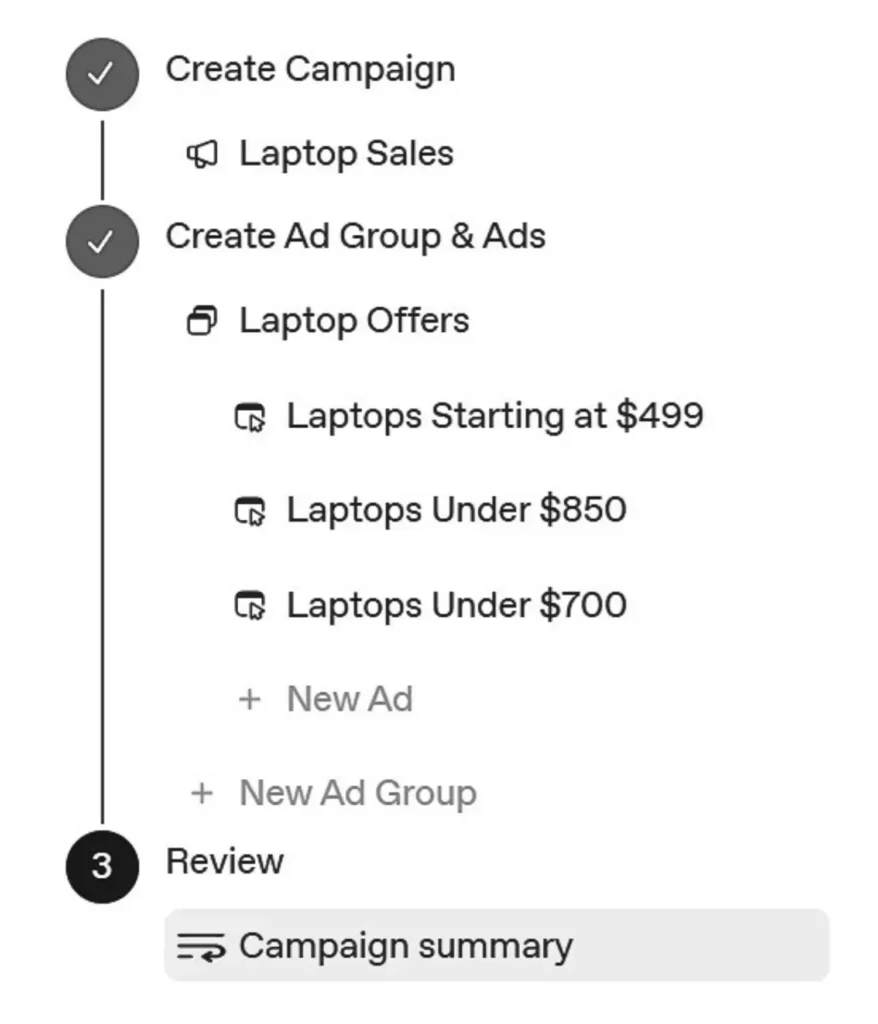
- Campaign: Sets the main advertising goal and budget.
- Ad Group: Organizes related ads around a specific theme or intent.
- Ad: Contains the promotional content, such as the title, copy, image, and landing page.
Advertisers also add their billing information and payment method before launching a campaign.
3.2 Ads Are Reviewed
Before an ad can run, it goes through OpenAI’s review process.
Once approved and active, the ad can be considered for relevant advertising opportunities.
3.3 OpenAI Selects an Ad
When an advertising opportunity is available, OpenAI evaluates eligible ads.
The system can consider the current conversation and its intent, along with the ad’s content, landing page, targeting settings, and context hints.
When ads personalization is enabled, some signals from a user’s ChatGPT activity may also be considered.
3.4 Ads Are Delivered
If an ad is selected, it can appear below a ChatGPT response as a separate sponsored placement.
For example, a user asking about laptops may see a normal ChatGPT answer followed by a sponsored laptop ad.
The ad stays separate from the response, making it clear that it is sponsored content. Users can also click the ad to visit the advertiser’s website or landing page.
4. How Advertisers Can Create Better Ads
Effective ad creative should make the offer easy to understand and relevant to the situation in which it appears.
4.1 Start With the User’s Situation
Consider a user who is looking for a laptop for office use.
Instead of using a generic message, the advertiser can focus on what the user is actually looking for.
For example:
User situation: Looking for a laptop for office use
Context hint: User is comparing laptops suitable for office work.
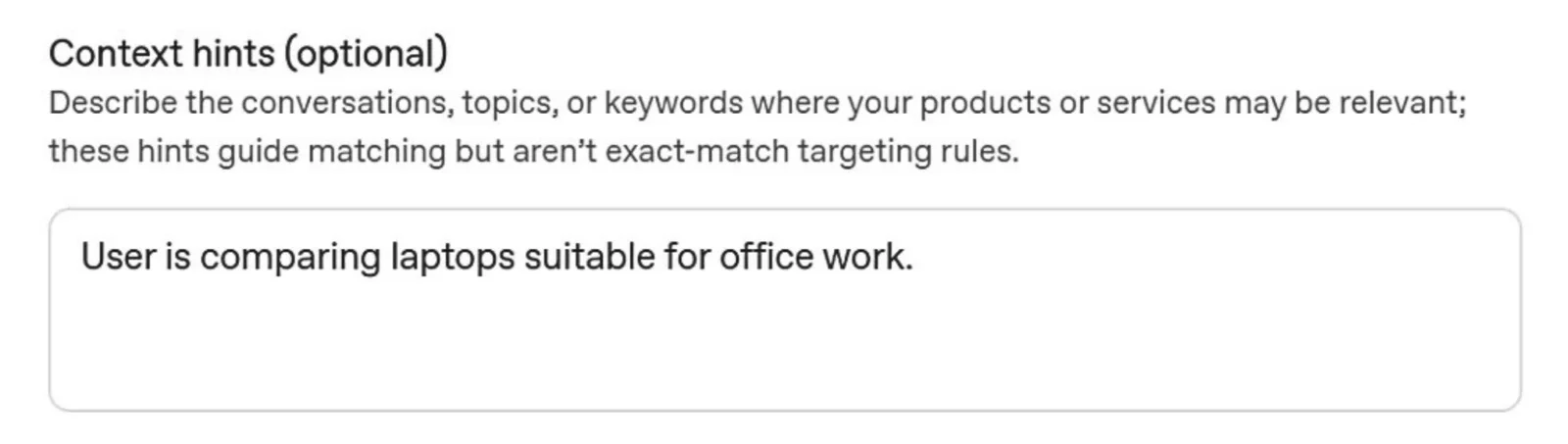
This can make the ad more relevant to the user’s search.
4.2 Keep the Offer Clear
The offer can be presented in a way that makes it easy for users to understand what the ad is showing.
For example:
Headline: Laptops Starting at $499
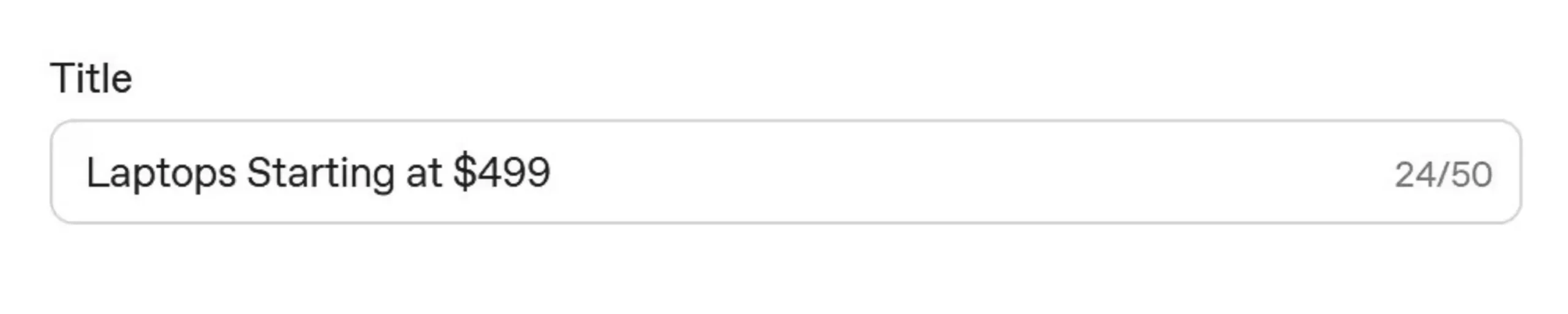
The headline quickly tells the user what is being offered.
4.3 Add Useful Product Details
Product details give users more specific information about the product.
For example, instead of saying “high-performance laptop,” the ad can mention featuring 16GB RAM as a specific detail.
Description: featuring 16GB RAM for smooth office work.
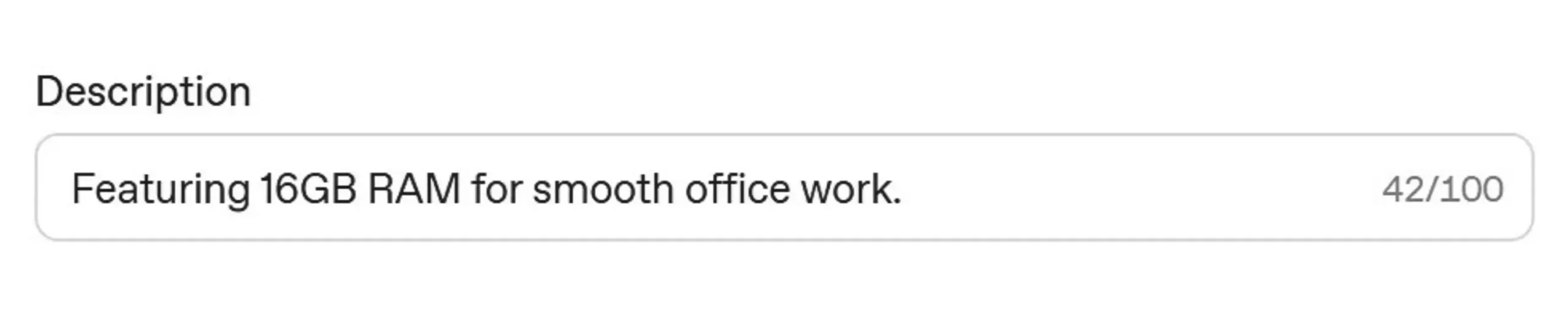
Other useful details can include features, availability, or included benefits.
4.4 Match the Landing Page
The landing page should support the same offer shown in the advertisement.
For example, if the ad shows laptops, the landing page can show those laptops.
Landing page: example.com/laptops
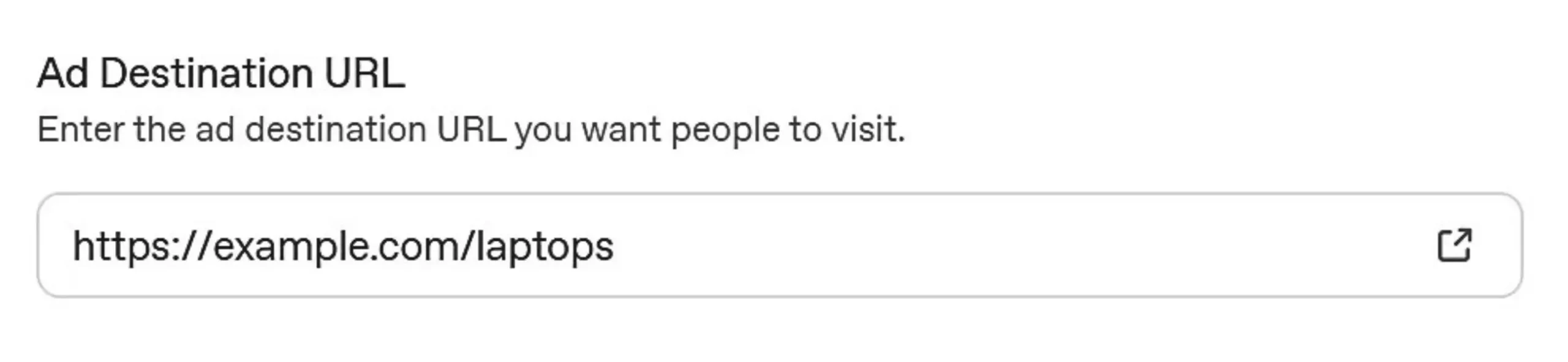
Keeping the product information consistent can make it easier for users to find the products mentioned in the ad.
5. A ChatGPT Ad Is Not a Recommendation
Seeing a business in a ChatGPT ad does not mean ChatGPT recommends that business.
An advertisement is paid promotional content.
OpenAI says ads do not influence ChatGPT’s answers. The sponsored content and the ChatGPT response remain separate.
For example, a user might ask ChatGPT to compare several laptops and then see an ad from a laptop retailer.
That ad does not mean ChatGPT chose that retailer as the best option.
6. Pricing and Bidding Options
6.1 Ad Pricing

ChatGPT Ads currently support CPM and CPC buying options.
- CPM (Cost Per 1,000 Impressions): Advertisers pay based on ad impressions.
- CPC (Cost Per Click): Advertisers pay based on valid clicks.
Advertisers can choose a Reach objective to focus on impressions or a Clicks objective to focus on valid clicks.
6.2 Bidding
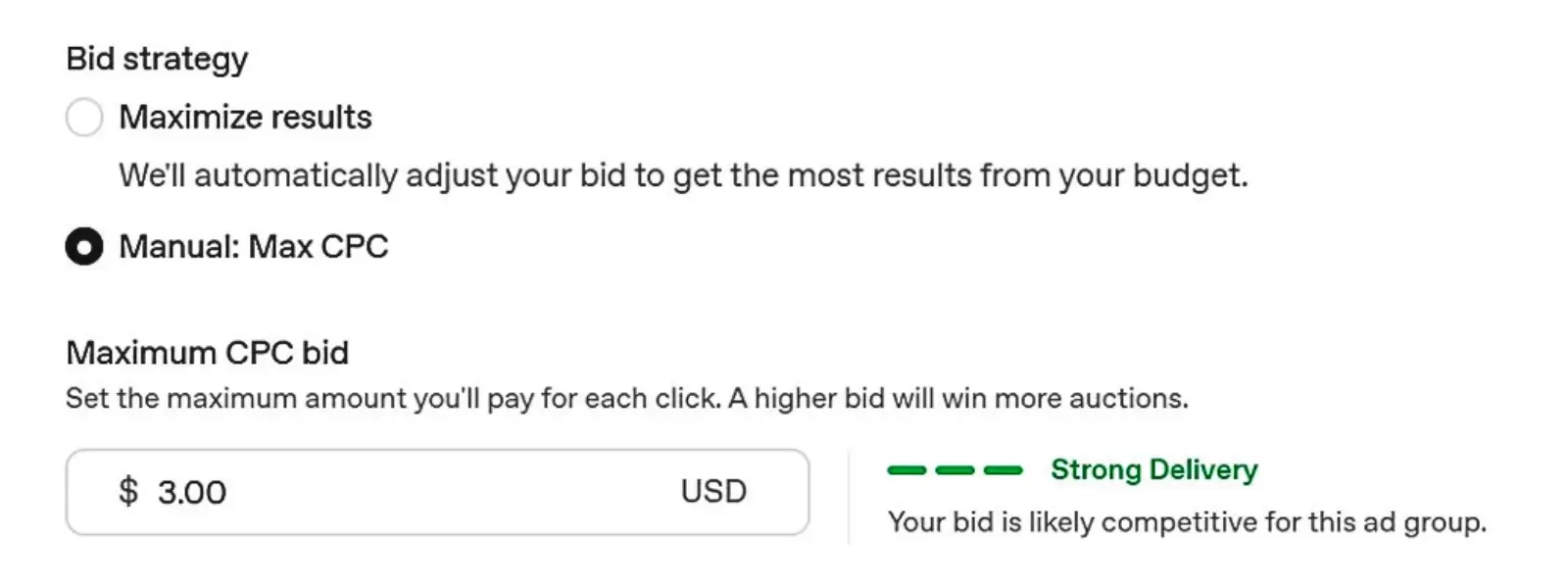
Bidding controls how much an advertiser is willing to spend to compete for ad placements.
Advertisers can choose a bid strategy at the ad-group level:
- Maximize results: Automatically adjusts bids to get the most results from the available budget.
- Manual: Max CPC: Lets advertisers set the maximum amount they are willing to pay for each click.
For example, with a $3 Max CPC, the advertiser is willing to bid up to $3 for one click.
When multiple ads are eligible, factors such as ad relevance, campaign settings, eligibility, and bids may influence which ad is shown.
Therefore, a higher bid alone does not guarantee ad placement.
7. Measuring Ad Performance
Advertisers can check campaign results through Ads Manager Beta.
Reports can include impressions, clicks, spend, click-through rate (CTR), average CPC, average CPM, and conversions.
Advertisers can also set up conversion measurement to track actions taken after someone clicks an ad.
These numbers help advertisers understand how their ads are performing.
8. Users Who May Not See Ads
Certain account and chat conditions can affect whether an advertisement appears.
According to OpenAI’s current information, Temporary Chats do not show ads. Ads also do not appear for accounts where OpenAI identifies or predicts that the user is under 18.
Ad availability can also vary by plan, location, and rollout, so users may see different ad experiences.
9. Frequently Asked Questions
9.1 Is it possible to discuss an ad with ChatGPT?
Yes. Users can open the three-dot menu on an ad and choose Ask ChatGPT. The selected ad is then shared with ChatGPT so the user can ask questions about it.
9.2 How can someone find out why an ad was shown?
Select About this ad from the ad’s three-dot menu. This can provide information about why that particular sponsored ad was displayed.
9.3 What options are available for unwanted ads?
Users can choose Hide ad to remove an ad from view. If an advertisement appears misleading, unsafe, inappropriate, or otherwise problematic, users c
9.4 How are ChatGPT Ads different from search ads?
ChatGPT Ads appear within conversations rather than on a traditional search results page. Their placement can be influenced by the context of the conversation and the user’s intent.